
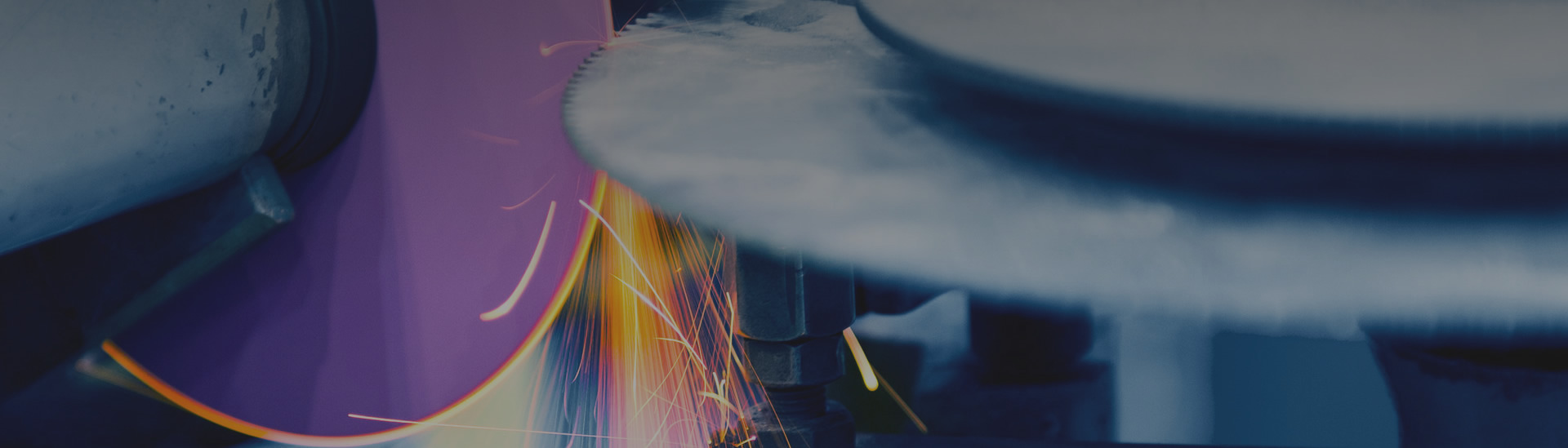

Common Grinding Problems That Can Be Improved with Vitrified Grinding Wheels
Grinding quality directly affects the accuracy, surface integrity, and overall performance of precision components. In industries such as automotive, bearing, tooling, and industrial machinery manufacturing, even small grinding inconsistencies can lead to dimensional errors, unstable performance, or reduced component life.
Many grinding issues are not caused solely by machine conditions or cutting parameters. In many cases, the grinding wheel itself plays a major role in process stability. Wheel structure, bond behavior, porosity, and abrasive retention all influence grinding performance.
Among various wheel types, vitrified grinding wheels are widely used in precision grinding applications because they offer a balance of rigidity, thermal stability, and controlled cutting behavior. This article explores several common grinding problems and explains how vitrified grinding wheels can help improve process performance.
1. Grinding Burn
The Problem
Grinding burn is one of the most common issues in precision grinding. Excessive heat generated during grinding can damage the workpiece surface and affect material properties.
Typical signs include:
-
Surface discoloration
-
Microcracks
-
Reduced hardness
-
Thermal damage beneath the surface
Grinding burn is especially problematic when grinding hardened steel components such as gears, bearings, and shafts.
How Vitrified Grinding Wheels Help
Vitrified grinding wheels typically feature controlled porosity and stable wheel structure, which help:
-
Improve coolant access
-
Reduce heat buildup
-
Promote freer cutting action
-
Lower grinding forces
Because the wheel structure allows better chip evacuation and thermal control, grinding temperatures can remain more stable during operation.
2. Wheel Loading
The Problem
Wheel loading occurs when chips become trapped on the wheel surface instead of being released during grinding.
This can lead to:
-
Increased friction
-
Poor cutting performance
-
Higher grinding temperatures
-
Surface finish deterioration
Loading is common when grinding ductile materials or when wheel porosity is insufficient.
How Vitrified Grinding Wheels Help
The porous structure of vitrified grinding wheels provides more space for chip evacuation. This helps reduce chip accumulation and allows the wheel to maintain sharper cutting action over longer periods.
A properly designed vitrified wheel can improve:
-
Grinding consistency
-
Surface finish stability
-
Wheel life
3. Inconsistent Surface Finish
The Problem
Unstable surface finish can result from:
-
Uneven wheel wear
-
Poor dressing consistency
-
Excessive vibration
-
Unstable wheel structure
In precision grinding applications, inconsistent roughness can affect sealing performance, contact behavior, and assembly quality.
How Vitrified Grinding Wheels Help
Vitrified bond systems generally provide:
-
Better form retention
-
Stable abrasive distribution
-
Consistent dressing response
These characteristics help maintain more predictable grinding behavior and improve surface finish consistency during long production runs.
4. Excessive Wheel Wear
The Problem
Fast wheel wear increases production cost and machine downtime because wheels require more frequent dressing or replacement.
Conventional wheels operating under aggressive grinding conditions may lose profile accuracy quickly, especially in hardened steel grinding.
How Vitrified Grinding Wheels Help
Vitrified grinding wheels offer stronger structural stability and controlled grain retention, allowing the wheel to maintain cutting performance longer.
This can help:
-
Extend wheel life
-
Reduce dressing frequency
-
Improve dimensional repeatability
-
Lower long-term grinding costs
5. Chatter Marks and Grinding Instability
The Problem
Grinding chatter can produce visible vibration marks on the workpiece surface and negatively affect dimensional accuracy.
Common causes include:
-
Wheel imbalance
-
Poor wheel rigidity
-
Unstable cutting conditions
-
Excessive grinding force
How Vitrified Grinding Wheels Help
The rigid bond structure of vitrified grinding wheels helps support more stable grinding conditions. Their structural consistency and predictable wear behavior can help reduce vibration-related issues during precision grinding.
Proper wheel specification and dressing conditions also contribute significantly to chatter reduction.
Why Vitrified Grinding Wheels Are Widely Used in Precision Grinding
Vitrified grinding wheels are commonly selected for precision applications because they combine several important characteristics:
-
Good dimensional stability
-
Controlled porosity
-
High rigidity
-
Stable thermal behavior
-
Predictable dressing performance
These advantages make them suitable for demanding grinding operations involving:
-
Hardened steel
-
Bearings
-
Gears
-
Tooling components
-
Precision shafts
-
Automotive parts
BAY UNION’s Vitrified Grinding Wheel Solutions
At BAY UNION ABRASIVE TECHNOLOGY CO., LTD., vitrified grinding wheels are developed for precision grinding applications requiring stable cutting performance and consistent quality.
By optimizing wheel structure, porosity, and abrasive behavior, Bay Union’s vitrified grinding wheel solutions are designed to support:
-
Better grinding stability
-
Reduced loading and burn risk
-
Improved dimensional consistency
-
Reliable long-term grinding performance
These wheels are used across various precision grinding applications in industries such as automotive, bearing, gear, and industrial component manufacturing.
FAQ — Vitrified Grinding Wheels
Q1: What materials are vitrified grinding wheels commonly used for?
They are widely used for hardened steel, bearing steel, tool steel, and other precision grinding materials.
Q2: Why do vitrified grinding wheels usually run cooler?
Their porous structure helps improve coolant access and chip evacuation, which reduces heat buildup during grinding.
Q3: Are vitrified grinding wheels suitable for high-precision applications?
Yes. Their rigidity and dimensional stability make them widely used in precision grinding processes.
Q4: Can vitrified grinding wheels reduce dressing frequency?
In many cases, yes. Stable wheel structure and controlled abrasive retention help maintain cutting performance longer.
Conclusion
Grinding problems such as burn marks, wheel loading, unstable finishes, excessive wear, and chatter can significantly affect production efficiency and part quality. While machine setup and grinding parameters are important, grinding wheel design often plays an equally critical role.
Because of their structural stability, controlled porosity, and consistent cutting behavior, vitrified grinding wheels are widely used to improve grinding performance in precision manufacturing applications.
If you are evaluating grinding wheel solutions for demanding precision grinding operations, BAY UNION provides vitrified grinding wheel solutions designed to support stable grinding performance and consistent production quality across a wide range of industrial applications.
To learn more about our vitrified grinding wheel solutions or discuss your specific grinding requirements, feel free to contact the Bay Union team for further technical support and product recommendations.