
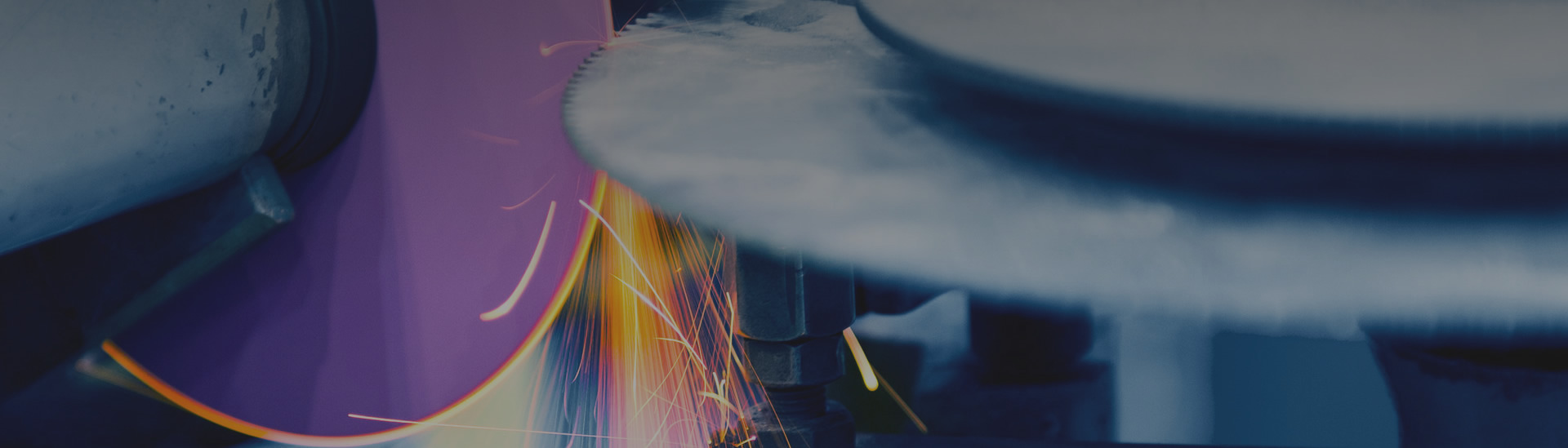

The Role of Diamond Grinding in Semiconductor Wafer Processing
As semiconductor technology advances into smaller nodes and greater functional integration, the demand for ultra-precise wafer processing has never been higher. Among the critical steps in semiconductor fabrication, wafer thinning and surface preparation play a vital role in ensuring device reliability and performance. One of the most essential techniques in this stage is diamond grinding.
At Bay Union Abrasive Technology Co., Ltd., we focus on delivering high-precision grinding solutions tailored to the demanding needs of the semiconductor industry. In this article, we explore how diamond grinding contributes to the success of wafer processing and why selecting the right grinding tools is crucial to your production line.
What Is Diamond Grinding in Wafer Processing?
Diamond grinding refers to the use of diamond abrasives to remove material from a wafer's surface, typically for the purpose of thinning or surface smoothing. The unique hardness and cutting efficiency of diamond make it the most effective abrasive for working with ultra-hard materials like silicon carbide (SiC), gallium nitride (GaN), and sapphire.
Unlike conventional abrasives, diamond particles retain sharp cutting edges longer, ensuring consistent removal rates and minimizing surface defects such as micro-cracks or subsurface damage—critical factors in producing thin, functional wafers with high yield.
Why Diamond Grinding Is Essential in Semiconductor Fabrication
In modern wafer processing, especially with power devices and MEMS technologies, wafers often need to be thinned to as little as 100 microns or below. Here’s where diamond grinding makes a significant impact:
- Precision Material Removal: Achieves tight thickness tolerances and flatness essential for die bonding and stacking.
- Reduced Subsurface Damage: Ensures mechanical integrity of ultra-thin wafers, avoiding breakage during downstream processing.
- High Throughput: Maintains high-speed material removal without compromising wafer quality, optimizing production time and cost.
Bay Union’s Diamond Grinding Solutions for Wafers
Bay Union's SiC/Si Wafer Grinding Wheel series is specially developed for semiconductor wafer thinning, delivering precision grinding performance for materials such as silicon and silicon carbide. This product line is part of our focused solution for the advanced wafer thinning stage in semiconductor manufacturing.
Key Features:
- Designed for Si and SiC wafer backgrinding applications
- High cutting efficiency with reduced surface damage
- Supports both coarse and fine grinding stages
- Maintains stable form retention and long wheel life
➤ View SiC/Si Wafer Grinding Wheels
Diamond Grinding vs. Lapping and CMP
While chemical mechanical polishing (CMP) and lapping are also used in wafer planarization, diamond grinding stands out in terms of efficiency and cost-effectiveness for material removal.
| Method | Material Removal Rate | Surface Finish | Typical Use |
|---|---|---|---|
| Diamond Grinding | High | Moderate to Fine | Backgrinding, thinning |
| Lapping | Medium | Fine | Surface preparation |
| CMP | Low | Ultra-Fine | Final planarization |
In many cases, diamond grinding is the preferred first step before switching to CMP, as it removes most of the material quickly and cost-effectively.
Future Trends: Diamond Grinding in Compound Semiconductors
As the industry shifts toward compound semiconductors like SiC and GaN for EVs, 5G, and high-power applications, the role of diamond grinding becomes even more pronounced. These materials are significantly harder than silicon, and only diamond abrasives can provide the required performance and lifespan for economic processing.
Bay Union continues to develop new formulations and bonds to meet the evolving needs of compound semiconductor manufacturers worldwide.
FAQs
What is the typical thickness achieved after diamond wafer backgrinding?
Diamond grinding can achieve wafer thicknesses as low as 100 microns or less, depending on the application and material.
What materials can Bay Union’s diamond grinding wheels process?
Our solutions are suitable for silicon (Si), silicon carbide (SiC), and other hard semiconductor substrates used in advanced electronics.
Can your wheels be used for both coarse and fine grinding?
Yes, our SiC/Si Wafer Grinding Wheel series supports both coarse and fine grinding stages, helping reduce tool changeover and improve efficiency.
Conclusion
Diamond grinding is a cornerstone of modern wafer processing. From thinning to surface finishing, it delivers the precision, efficiency, and yield enhancement demanded by the semiconductor industry. At Bay Union, our diamond grinding solutions are engineered to help customers maintain process stability, reduce defects, and improve overall productivity.
Looking for a reliable diamond grinding partner for your semiconductor line?
➤ Explore Bay Union’s full range of Diamond Grinding Wheels or contact us to discuss your application needs.